Stories

Life inside the lantern room and keeper’s quarters

These accounts follow night watches, weather notes, and ordinary routines that kept the northern coast beacons alive.

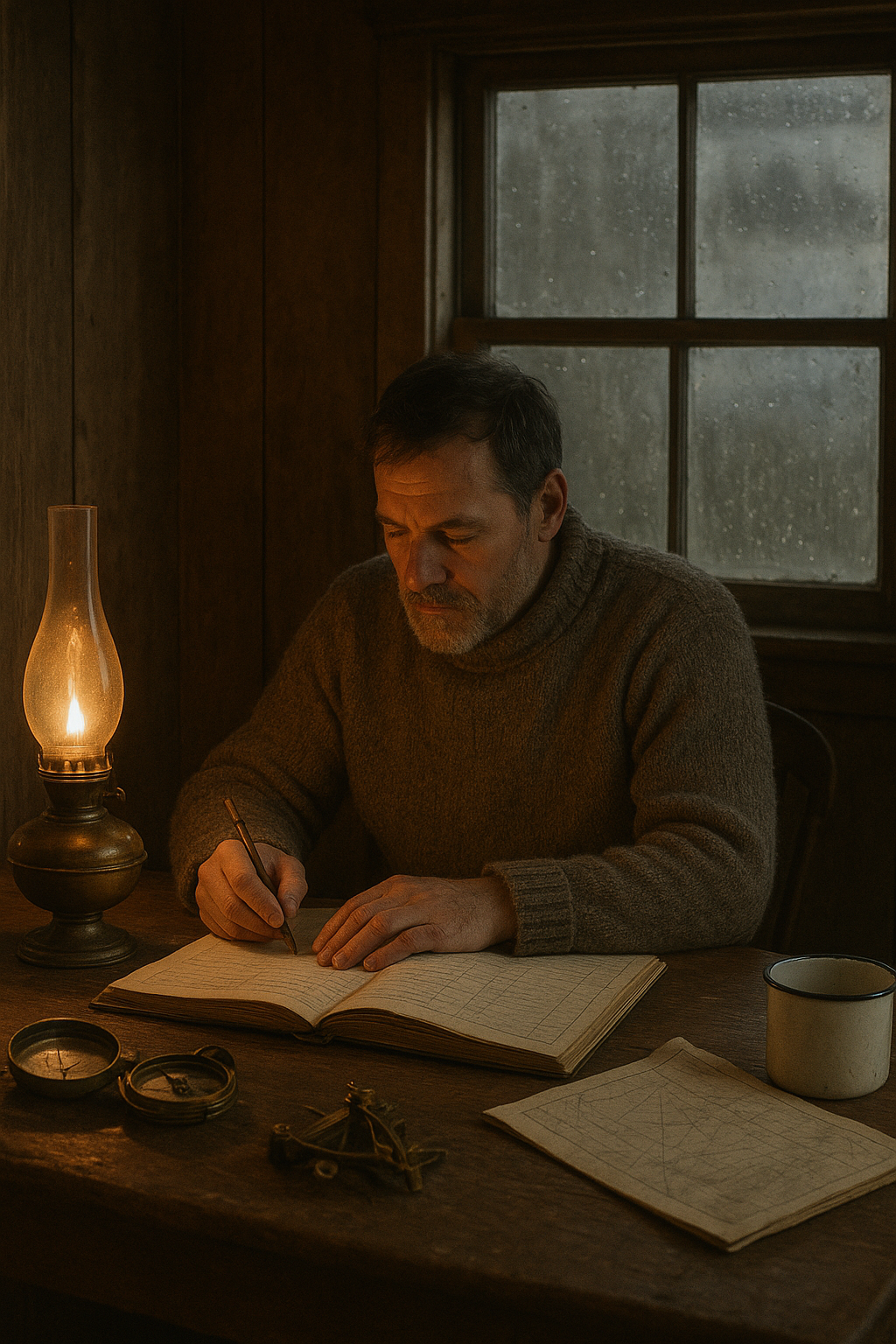
A lighthouse keeper writing evening log notes at a worn wooden desk beside an oil lamp, with rain-streaked windows and brass instruments in the background
Keeper journals and interior station records provide the closest view of daily life beyond the coastline.

Stories

Keeper stories in brief, drawn from the northern coast logs

Three small moments that show how daily care, weather, and routine shaped life around the beacon.

Dawn watch · Brine Point Light · 1896

Before the first cargo sail appeared

Keeper Eliza North recorded a still morning, then noted how the fog bell carried farther than the lamp in damp air. By noon, three fishing craft had corrected course using that sound alone.

Archive reference

Lamp room note · North Head Tower · 1912

A night of polishing and waiting

When coal smoke moved in from the harbor, keeper Thomas Reeve wrote that every prism face was cleaned twice. His margin note adds one quiet line: “visibility poor, but the beam held steady.”

Context note

Storm ledger · Cape Alder Beacon · 1924

After the glass was replaced

A winter gale cracked two panes on the seaward side. The next entry lists the repair, then closes with a practical reminder to check every fastening at low tide—weather never repeats itself, only the duty does.

See preserved tower record
Historical questions

Lighthouse history FAQ

Quick answers to common questions from readers exploring keeper records, weather logs, and preserved tower notes.

What did lighthouse keepers do each day?

Keepers cleaned lenses, trimmed wicks, timed light rotations, and logged weather and ship movement. Most also maintained buildings, repaired equipment, and kept emergency supplies ready.

How did severe northern coast weather affect lighthouse life?

Winter gales, sea ice, and dense fog increased both isolation and risk. Keepers often hauled fuel in dangerous conditions and remained on station for long stretches when routes were cut off.

Why are some historic lighthouses preserved while others were lost?

Preservation usually depended on structural condition, local advocacy, and public funding. Towers with documented historical value and community support were more likely to be stabilized and restored.

What architectural features are common in northern coast towers?

Many towers use tapered masonry or cast-iron shells designed to resist wind and spray. Lantern rooms, gallery rails, and thick service walls reflect practical needs for light, maintenance, and storm endurance.

What happened when many lighthouses were decommissioned?

After automation and route changes, some stations were repurposed as museums or research posts, while others were dismantled or left vacant. Archival records now preserve service histories where structures no longer remain.